
Tallinn Travel Guide (Also Spelled Talinn): Planning Your Visit
A complete guide to planning a Tallinn trip, from the Old Town and castle to hotels, airport transfers and day trips.
Last updated September 2026
Contents16
- Talinn or Tallinn? Getting oriented
- Where to stay in Tallinn
- Getting to and from Tallinn
- What to see in Tallinn
- Tallinn's neighborhoods beyond the Old Town
- A sample two-day plan for Tallinn
- Food and dining in Tallinn
- Practical tips for a first Tallinn visit
- Museums and indoor options for a rainy day
- Shopping and souvenirs in Tallinn
- Combining Tallinn with the rest of the Baltic States
- Every Tallinn guide on this site
- What's new in Tallinn for 2026
- History, culture and visitor references
- Day trips from Tallinn
- Verdict on visiting Tallinn (Talinn)
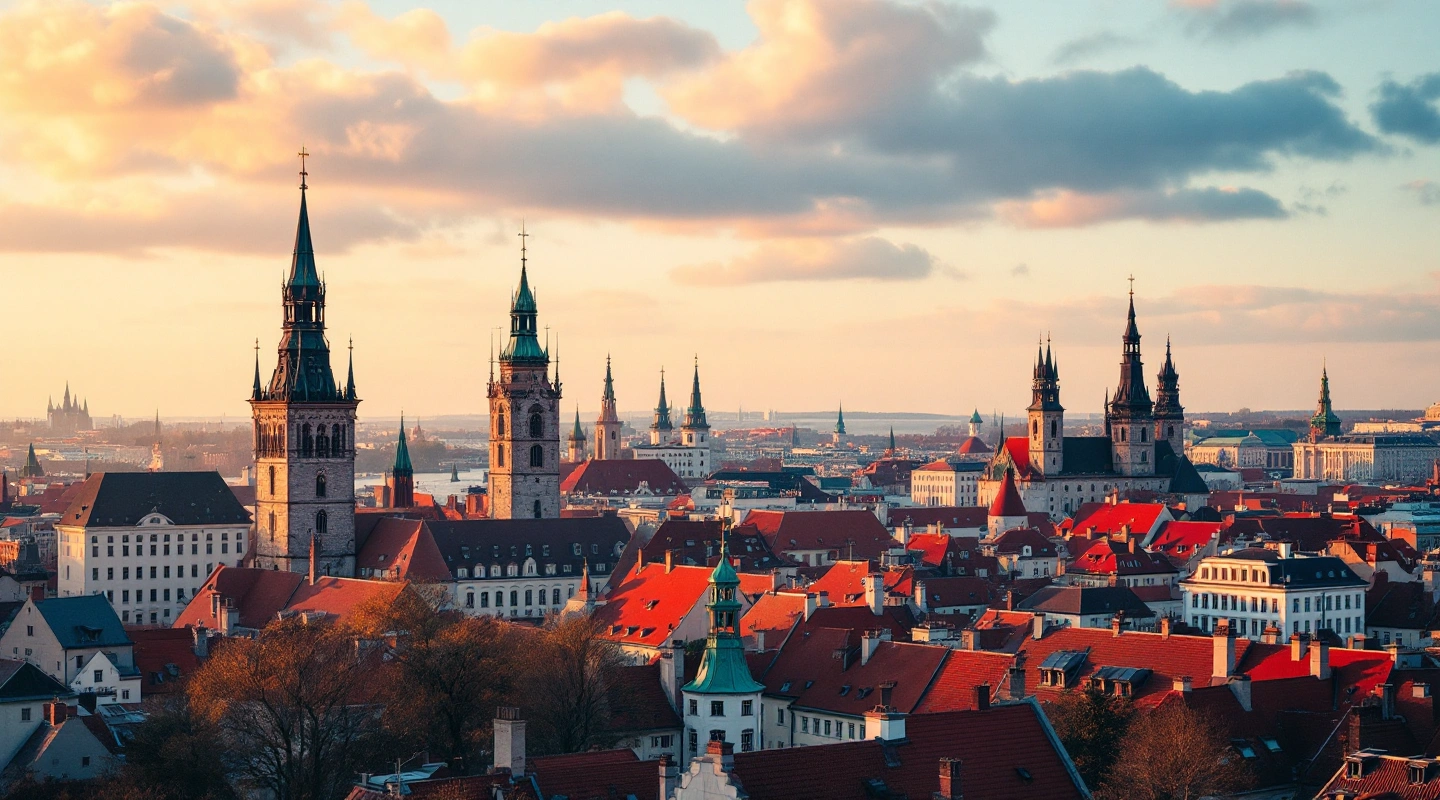
Tallinn, often searched online as Talinn, packs a lot into a small space. It has a medieval Old Town. A hilltop castle district sits nearby too, with an easy overall layout. Most of what a first-time visitor wants sits within a twenty-minute walk.
Tallinn's Old Town is small enough to explore on foot in two to three days. It combines medieval streets, Toompea Hill and nearby museums. Late spring through early autumn brings the mildest weather. December's Christmas market draws its own crowd instead. Book central Old Town lodging for the easiest access.
Talinn or Tallinn? Getting oriented
The Old Town splits into two main areas. The Lower Town holds most medieval streets. Toompea Hill was the historic seat of power. Most major sights sit inside or near these two areas. A walking-based visit works well even on a short trip.
Where to stay in Tallinn
See the Tallinn hotels guide for a full rundown of areas and properties. Staying inside or near the Old Town cuts transit time. Most sights end up within walking distance this way.
Getting to and from Tallinn
Most visitors arrive by air through Tallinn Airport. Many arrive by ferry from Helsinki instead, covered in the Helsinki to Tallinn ferry guide. Both options land close to the center. A short taxi or tram ride reaches the Old Town from either.
What to see in Tallinn
Toompea Castle anchors the hilltop district. The Lower Town holds most of the medieval streets and squares. See the things to see guide for a fuller list beyond these headline sights.
Tallinn's neighborhoods beyond the Old Town
Kalamaja sits just north of the Old Town. It is known for wooden houses and a growing food scene. It rewards a visitor with an extra day or two beyond the standard sights. Telliskivi Creative City, nearby, holds converted factory buildings full of shops and cafes, plus small galleries. Both areas give a different feel from the medieval streets, worth a half day if time allows.
A sample two-day plan for Tallinn
Day one can cover the Lower Town's main squares in the morning and Toompea Hill in the afternoon. Finish with dinner in the Old Town. Day two works well for a museum and a walk through Kalamaja. Spend a slow afternoon on the small streets you missed on day one. This pace covers the essentials without rushing between stops.
Food and dining in Tallinn
The Old Town holds a wide range of restaurants, from traditional Estonian fare to more international options. Prices are moderate next to Western European capitals. Restaurants on the main squares cost a little more than spots a few streets away. Kalamaja and Telliskivi offer a more local, less tourist-focused dining scene worth seeking out. Booking ahead helps on weekend evenings at the more popular spots.
Practical tips for a first Tallinn visit
Estonia uses the euro, and card payment works almost everywhere, even for small purchases. Estonian and Russian are the main local languages, though English is widely spoken in the tourist areas. Cobblestone streets throughout the Old Town make comfortable, sturdy shoes a better choice than anything with a thin sole. Tipping runs modest by international standards, with rounding up or a small percentage on a restaurant bill considered generous enough.
Museums and indoor options for a rainy day
Tallinn has enough good museums to fill a rainy afternoon without much trouble at all. The Estonian History Museum covers the country's past across several centuries. A maritime museum near the port covers Estonia's naval and trading history in much more depth. Either one works well as a solid backup plan if the weather turns during a trip.
Shopping and souvenirs in Tallinn
The Old Town's main streets hold plenty of souvenir shops, selling local crafts like wool goods and amber jewelry. Prices near Town Hall Square tend to run higher than in smaller shops just a block or two away. Telliskivi offers a more design-focused shopping scene, useful for a different kind of souvenir than the standard tourist fare. Comparing a few shops before buying often turns up a better price on the same item.
Combining Tallinn with the rest of the Baltic States
Tallinn works well as either the start or end point of a wider Baltic trip. See the 7-day Baltic itinerary for how it fits alongside Riga and Vilnius. A shorter trip can treat Tallinn as a city break on its own, without the other two capitals. Both approaches work well, so the right choice mostly comes down to how much total time is realistically available.
Every Tallinn guide on this site
Use these guides to plan each part of a Tallinn trip.
Arriving
- Tallinn Airport (TLL): getting from the airport into the city.
- Estonia's Tallinn Airport: routes and arrival tips.
- Flights to Tallinn: where you can fly from and how to find a route.
- Ferry from Helsinki to Tallinn: operators, terminals and day trips.
Staying
- Hotels in Tallinn Estonia: the best areas by trip type and budget.
- Where to stay in Tallinn: a short hotel checklist.
- Tallinn City Hotel: what to check before booking a central hotel.
Seeing the city
- Tallinn things to see: the main sights, in and beyond the Old Town.
- Free walking tour Tallinn: how tip-based tours work.
- Toompea Castle and Toompea loss: the hilltop castle and parliament.
- Tallinn Christmas market: 2026 dates, food and tips.
- Tallinn weather: month-by-month averages and what to pack.
What's new in Tallinn for 2026
The main change for 2026 is at the border for non-EU visitors.
Since 12 October 2025, the EU's Entry/Exit System (EES) has registered non-EU citizens on short stays when they cross the Schengen external border. It records passport details, fingerprints and a facial image, and it replaces passport stamps. The European Commission says it has run at all Schengen borders since April 2026.
Check the EU's official EES page before you travel. ETIAS, a separate travel authorization, has not started yet.
In winter, Tallinn's Christmas market has a longer season this year. Its official site lists 20 November 2026 to 6 January 2027. For current events and opening times, see the official Visit Tallinn site.
Planning a Tallinn trip down to the day is easier with a printable outline. Get the free Baltic Trip Planner below.
History, culture and visitor references
The Estonia visitor guide adds arts, public evenings, Prangli ferry planning and nature resources beyond a compact capital walk.
The MS Estonia findings and memorial reference explains the official investigations and a respectful Tallinn memorial visit.
Day trips from Tallinn
Tallinn works well as a base for day trips too. A short hop to a nearby coastal town is one option. It can also start a longer route through the rest of the Baltic States. See the getting around guide for onward travel options.
Verdict on visiting Tallinn (Talinn)
Whether you searched for Talinn or Tallinn, plan two to three days here. Base yourself in or near the Old Town. That covers the main sights without rushing. Late spring through early autumn gives the easiest weather. A December visit trades mild temperatures for the Christmas market atmosphere.
Questions people also ask
How many days do I need in Tallinn?
Two to three full days covers the Old Town, Toompea Hill and a couple of museums.
Is Tallinn walkable?
Yes. The Old Town and most nearby sights sit close together on foot.
What is the best time to visit Tallinn?
Late spring through early autumn brings the mildest weather. A December visit adds the Christmas market instead.